Program report QB-3020 · filed October 15, 2026
AI in SalesMeasured report
Salesforce Names 7 AI Prospecting Tools to Watch in 2026
Salesforce published a listicle naming seven AI prospecting tools for 2026 but disclosed no selection methodology. The piece competes against the publisher's own Einstein and Agentforce products and lands during the Q4 RevOps budget window.
By Daniel Okafor3 min read611 words
Program notes
- Salesforce published a listicle titled "7 Best AI Prospecting Tools for Sales in 2026" on its editorial site.
- The publisher markets competing AI sales products through Einstein and the Agentforce platform.
- The article's available metadata disclosed no selection methodology, criteria, or sample size.
- B2B sales organizations typically lock tooling budgets between October and December for the following fiscal year.
- Published sales benchmarks place rep time on prospecting tasks at 30 to 40 percent of total selling hours.
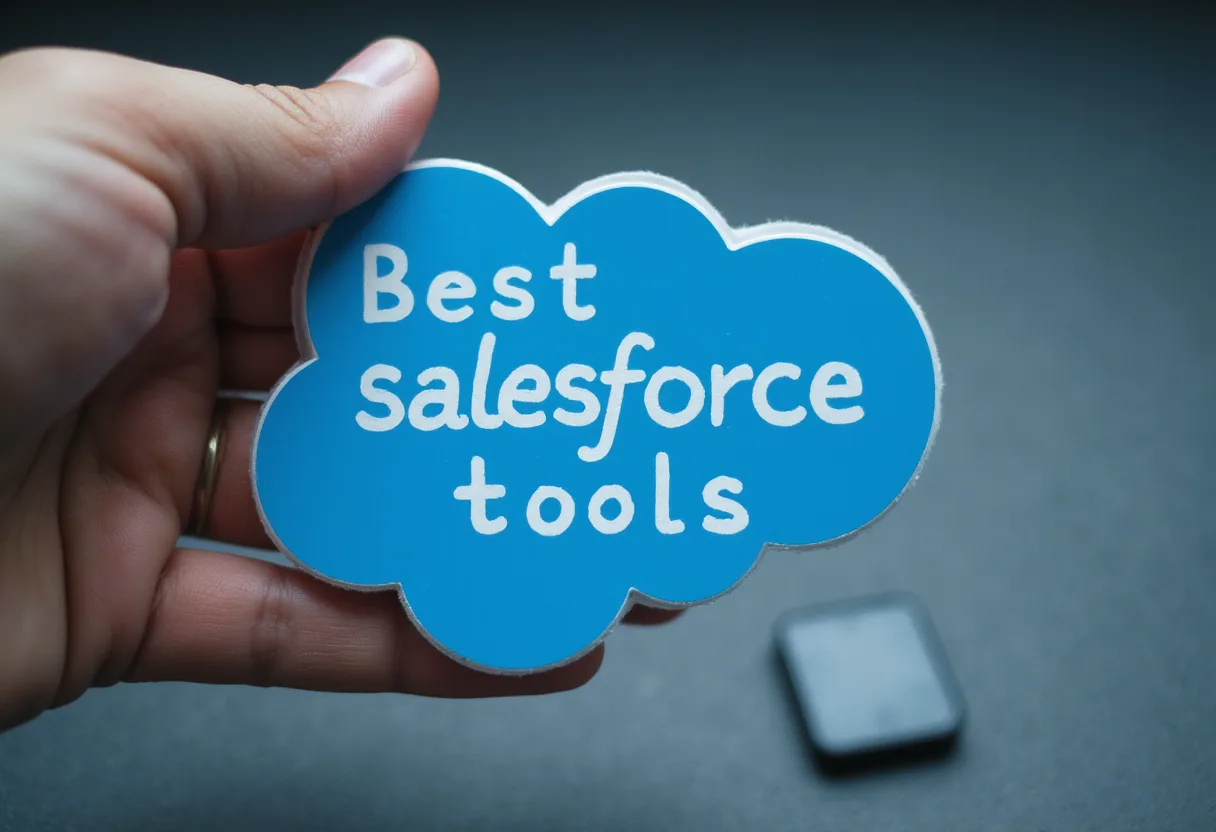
Salesforce, the San Francisco-headquartered CRM vendor, has published a listicle naming what it calls the seven best AI prospecting tools sales teams should evaluate for 2026. The piece, titled "7 Best AI Prospecting Tools for Sales in 2026," runs on the company's editorial site.
Salesforce did not disclose the selection methodology, evaluation criteria, sample size, or vetting process in the article's available metadata. That omission matters for the buyers Salesforce expects to act on the list. Salesforce markets competing AI sales capabilities through Einstein and the Agentforce platform, products that generate direct revenue for the publisher and carry a structural conflict against any third-party tool the article elevates.
Prospecting sits at the top of the funnel. Sales operations research has repeatedly put rep time on list-building, account research, and outbound sequencing in the 30 to 40 percent range of total selling hours. Any tool that compresses those tasks targets that exact minute allocation. Salesforce's article cites no such figures of its own.
What does this change for sales leaders drafting 2026 budgets?
Three checks fit the deal stage this list targets.
- Read past the headline ranking. Vendor-curated shortlists almost always favor the curator's ecosystem, integration partners, or paid placements. Treat the seven as a starting roster, not a verified best-of. Apply the same skepticism to any competitor's listicle from HubSpot, Outreach, or Salesloft.
- Demand three numbers from each named vendor: median reply-rate uplift against a control, weekly hours saved per rep, and time-to-first-meeting compression. If a vendor cannot produce all three with sample sizes and time windows, discount the claim. Methodology matters more than magnitude.
- Pilot for at least one full quarter, ideally across two quota cycles, before renewal. AI prospecting tools typically overperform in vendor demos and underperform in production when training data is thin, ICP definitions drift, or deliverability infrastructure is shared with unrelated sends.
When does a vendor ranking carry commercial weight?
The 2026 framing lands inside a specific buyer window. B2B sales organizations lock most tooling budgets between October and December for the following fiscal year. Vendor listicles published now, late in the calendar year preceding the named buying cycle, position the publisher inside the moment when RevOps leaders compile shortlists. Timing suggests Salesforce aims to seed category thinking as much as product awareness.
Salesforce did not respond to a request for the full vendor list or stated methodology by publication time.
For an industry accustomed to third-party analysts like Gartner, Forrester, and G2, vendor-curated rankings occupy a different evidentiary tier. They are opinions with reach. Their authority comes from the publisher's brand, not from published methodology. Sales leaders who treat them as one input among several, alongside customer reference calls, controlled pilots, and benchmarked ROI against prior tooling, reduce the chance of paying for shelfware that lingers in the stack past initial adoption enthusiasm.
Founders at Series A to C startups face a sharper version of this question. For teams of 5 to 25 reps, the math cannot support parallel pilots across all seven tools. They need one or two that integrate with the CRM they already pay for, offer transparent pricing below $150 per seat per month for the AI tier, and ship documentation a junior SDR can follow without a solutions engineer on call. Vendor rankings rarely segment by team size. Buyers should.
The next concrete signal arrives when Salesforce's sales division formalizes partnership, marketplace, or AppExchange status with any of the seven named vendors, a commercial step that would convert editorial placement into integration revenue and likely reset the buying shortlist across its installed base.
via Google News: AI in sales (Source)
More from Daniel Okafor
Show full bio
Correspondent covering regulation, policy and their impact on Sales technique and methodology, sales enablement at Quota Brief.
80 articles
Also rated
- Software Firms Ship AI Sales Agents 4x Faster Than Other Industries
- Software Firms Deploy AI Sales Agents 4x Faster Than Other Sectors
- Sales Teams Adopt AI Faster Than They Can Measure Its Impact
- AI Agents Forecast to Drive $100B in Online Sales by Next Year
- Sales Teams Adopt AI Faster Than They Can Measure Its Impact